
Why the Lowest Bid May Be the Most Expensive
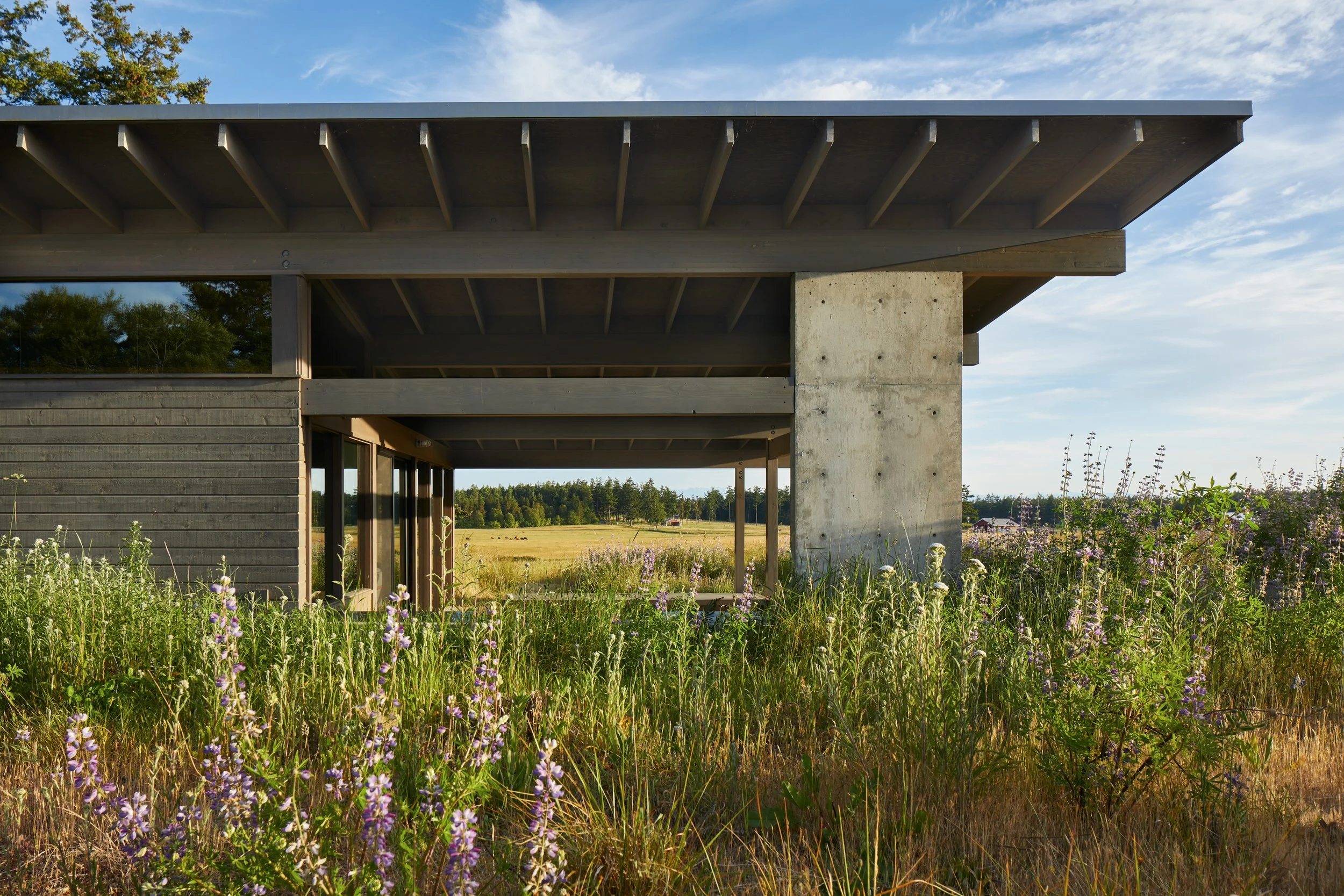
Meadow Retreat, designed by Suyama Peterson Deguchi, came to life because the clients appreciated our previous relationship with the architects.
Building a custom home is likely one of the largest investments you’ll ever make. Because we’re all wired to comparison-shop for major purchases, it’s natural to assume the smartest move is to gather multiple bids, compare estimates with a magnifying glass, and hire the contractor with the lowest number at the bottom.
It’s common sense that commonly fails, and it can be one of the fastest ways to hire the wrong builder. Here’s the truth: the best way to shop for a contractor is to spend less time chasing the lowest price and more time finding the right partner.
When you’re looking at a bid, it’s easy to fixate on the things you can count on a spreadsheet—lumber, concrete, labor hours, and target completion dates. Those details matter immensely. But after decades of building, we’ve learned that the things you can’t fit into a spreadsheet are what actually make or break your build.
A great contractor isn’t just there to put up walls; they’re there to be a good steward of your land, your time, your budget, and the relationships that bring your home to life.
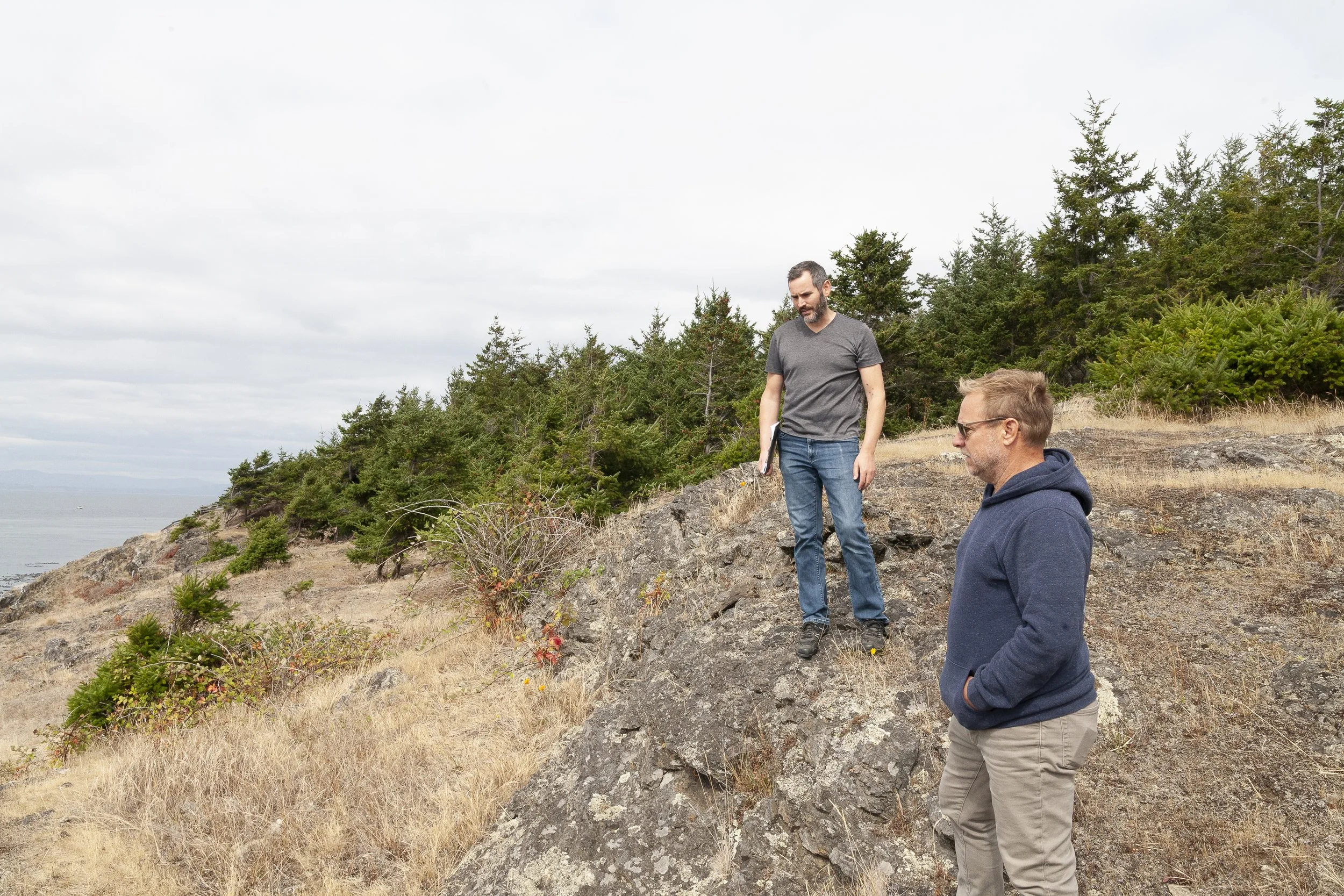
Thomas Fragnoli co-founder, Paul Fragnoli, and architect Kevin Reeves walk a site in the San Juan Islands.
Start with the Team (You’re Going to Spend a Lot of
Time Together)
A custom build takes years of collaboration with your builder. Before you ever get into the weeds of a line-item estimate, ask yourself a simple question: Do I actually want to hang out with these people for the next few years?
You want a team you genuinely enjoy working with, that listens well, and that never makes you feel foolish for asking a question (even for the third time).
Look for Accountability When Things Get Real
No matter how detailed the plans are, custom construction is full of surprises. Weather shifts, a material gets backordered, or you stand in a framed-out room and realize a window really needs to move three feet to the left to catch the perfect view.
There are always problems to solve. That’s why one of the most important qualities you can look for in a builder is accountability. When you're interviewing contractors, ask them two specific questions:
How do you handle unexpected changes?
How do you handle difficult conversations?
If a builder tells you they never have hard conversations, walk away. The best builders bring solutions to the table early, own their mistakes, and communicate with honesty when a tough call needs to be made.
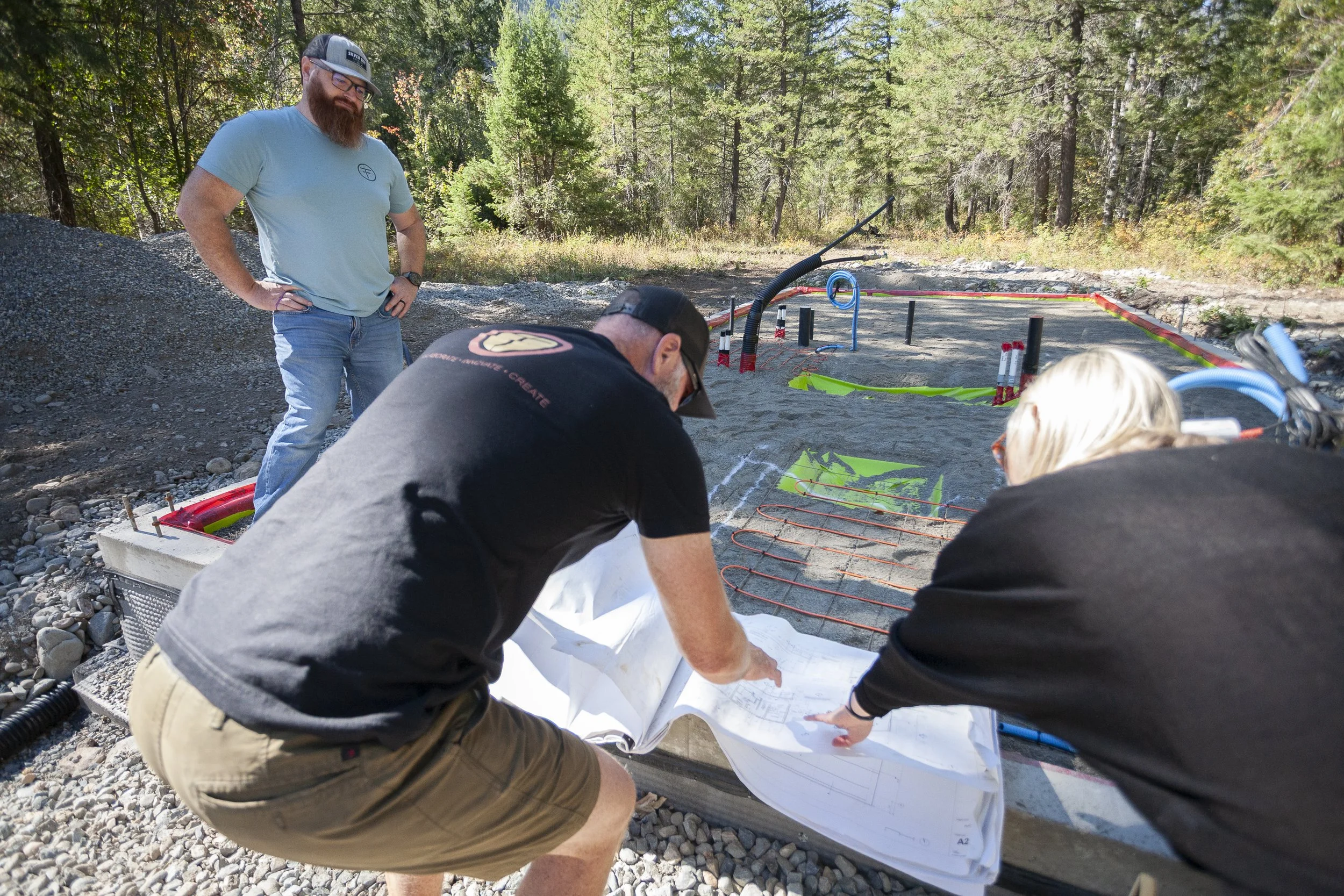
Thomas Fragnoli co-founder, Chris Thomas, and project manager Justin Laughery, review plans on site.
Materials, Labor, and Schedules
Let’s assume your project is thoroughly designed and documented. When multiple contractors price the same set of plans, material costs will be remarkably similar. Lumber, concrete, roofing, and steel cost roughly the same no matter who’s writing the check. Labor and schedules are where the real differences show up.
In theory, it should take any crew about the same number of hours to build the same house. In practice, that almost never happens. Experience, craftsmanship, sequencing of work, and jobsite organization dictate how smoothly a schedule runs.
Seasoned teams know how to plan for the unexpected. They see around corners, sequence trades efficiently, and rely on dialed-in systems that protect both your schedule and your sanity.
The Trap of Competitive Bidding
If everyone is looking at the identical blueprints, why do bottom-line bids still vary so wildly? It usually comes down to assumptions.
Putting together a rock-solid construction estimate takes a massive amount of time. Unless a builder is hired during pre-construction to develop that budget alongside you and your architect, they are usually building that estimate without knowing every single detail. So, they make assumptions based on experience.
This is why the lowest bid isn't usually the sign of a leaner, more efficient company. Instead, it’s just a reflection of rosier assumptions or a lack of experience, which may result in expensive change orders six months down the road.

Superintendent Brad Barber and Paul Fragnoli walk and talk en route to a project site.
Choosing Your Builder
With custom construction, you aren’t just buying a pile of lumber and a stack of blueprints; you’re investing in the people who will guide you through thousands of decisions, solve problems before they become expensive, and care for your property as if it were their own.
When you're ready to look for a builder, keep your list short. Tour their completed homes, but more importantly, ask to walk an active jobsite. Notice if it’s clean, organized, and calm. Look at the tools they use to track budgets and schedules. Talk to their past clients and the architects who work with them regularly. Then, be open about your budget and your priorities.
By taking these steps, you’ll quickly see which builder is right for you, and you can get to work building something remarkable together.
